


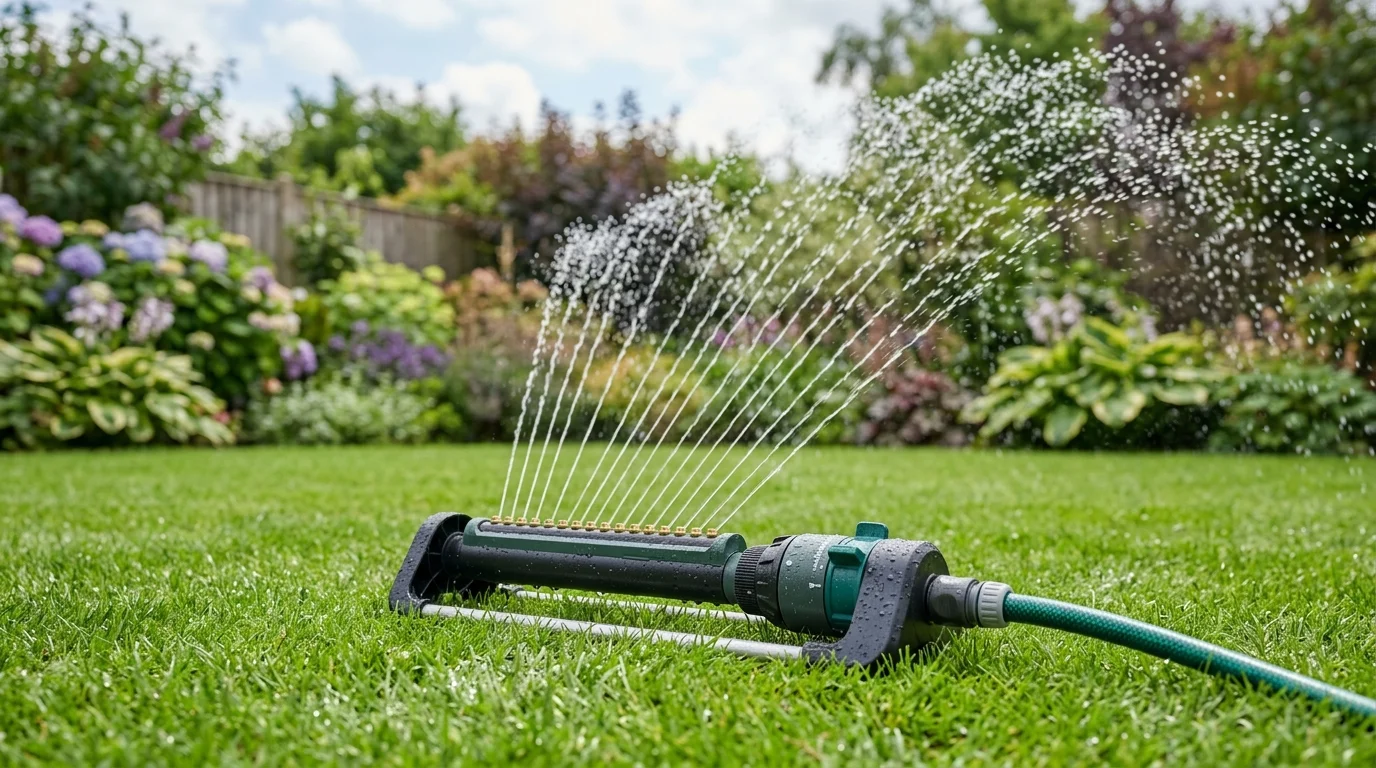
Garden Sprinkler performance is often judged in the backyard, not in the specification sheet. For wholesale buyers, that creates a real margin risk: irrigation returns can rise when consumers see dry patches, puddling, or weaker-than-expected throw distances. The cause is frequently not a product defect, but a mismatch between setup, water pressure, spacing, and coverage expectations. Understanding how radius, GPM, PSI, spray pattern, and overlap work in real residential conditions helps buyers choose products that perform reliably after purchase. This article explains the key coverage variables, common end-user mistakes, and product features that can help distributors and garden retailers reduce dissatisfaction and protect profitability.
Why Sprinkler Coverage Issues Matter in Wholesale
For hardware distributors and garden center buyers, product returns represent a significant logistical expense. In the irrigation category, broad industry estimates suggest return rates can climb to roughly 10% to 15%. These returns often occur not because of manufacturing defects, but due to end-user dissatisfaction with coverage. When consumers purchase irrigation equipment—whether rotary and Impact Sprinklers, fixed sprays, or oscillating models—they expect seamless performance across their lawns. However, because coverage spacing, pressure curves, and wind drift behave differently across these sprinkler types, a misunderstanding of operational requirements frequently leads to dry spots, overwatering, and eventual product returns. Educating retail partners on these metrics helps wholesalers protect their margins and reduce reverse logistics costs.
Common End-User Setup Mistakes
The most frequent error in residential irrigation is misjudging the actual sprinkler coverage area. End-users frequently place units too far apart, attempting to stretch a single device over a large lawn without adequate overlap. Industry best practices dictate a 50% overlap rule—also known as head-to-head spacing. This means the water from one unit should reach the head of the adjacent unit. For a concrete example, if a sprinkler has a 20-foot throw radius, the next sprinkler must be placed exactly 20 feet away so their coverage areas interlock. Failing to account for this spacing or wind drift leads to uneven watering. To mitigate these user errors, procurement teams should prioritize products that include clear setup diagrams, pressure-compensating nozzles, or bundled installation guides rather than assuming consumers know how to install them correctly.
Key Coverage Terms Buyers Should Know
Wholesalers must ensure that product packaging and specifications clearly define performance metrics. To avoid stocking underperforming units, buyers should use a unified specification checklist when evaluating products:
- Radius vs. Diameter: Ensure packaging clearly distinguishes between the two; a unit advertised with a 30-foot throw radius covers a 60-foot diameter.
- Gallons Per Minute (GPM): Verify the flow rate aligns with target markets. Most standard residential systems deliver 2 to 10 GPM.
- Pounds per Square Inch (PSI): Match pressure requirements to average municipal water grids (typically 30 to 50 PSI). If a product requires 60 PSI to achieve its maximum advertised range, it will consistently underperform in standard residential settings, leading to dissatisfied end-users.
Setup Factors That Affect Real-World Coverage
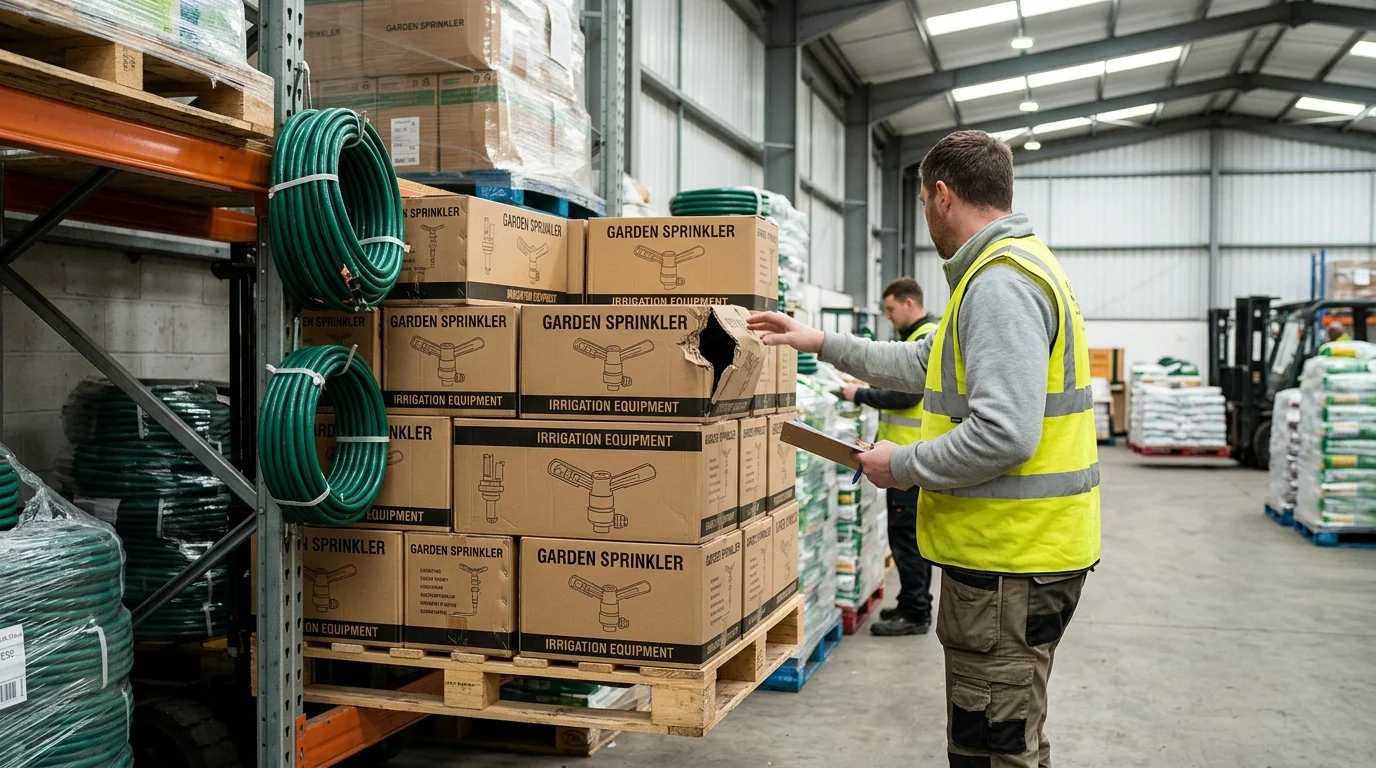
The theoretical coverage printed on a product box reflects ideal laboratory conditions, which rarely exist in real-world garden environments. Wholesalers must evaluate how mechanical adjustments and hydraulic constraints alter performance in the field, ensuring they stock items capable of adapting to varied consumer environments and fluctuating municipal water supplies.
Spray Angle, Range, and Pattern Adjustment
Modern irrigation devices rely on precision adjustments to maximize efficiency. Adjustable arc settings, typically ranging from 0° to 360°, allow users to tailor watering zones and avoid wasting water on non-landscaped surfaces. Furthermore, modifying the trajectory angle plays a pivotal role in coverage. Lowering a spray trajectory from a standard 25° down to 15° can reduce wind drift significantly, though it may decrease the overall throw distance by an estimated 10% to 15%. Equipping retailers with products that feature intuitive, gear-driven pattern adjustments minimizes user frustration and enhances application accuracy.
Head-to-Head Spacing and Water Pressure
The relationship between water pressure and spacing dictates the success of any irrigation setup. Because head-to-head spacing relies on consistent throw distances, pressure fluctuations can ruin coverage. It is important to note that pressure-to-distance relationships are highly nozzle-specific and may not apply uniformly across the entire product category. However, as an illustrative example for standard rotary nozzles, a pressure drop of just 10 PSI can reduce a sprinkler's throw radius by up to 20%, leaving distinct dry patches in a landscape. Furthermore, elevation changes typically cause a 1 PSI loss for every 2.3 feet of elevation gain. In regions with aging infrastructure or varied topography, stocking reliable sprinklers designed for low water pressure is essential for maintaining consistent performance.
Note: The following metrics serve as an illustrative example for a standard rotary nozzle; actual performance varies by specific product design.
| Operating Pressure (PSI) | Average Flow Rate (GPM) | Estimated Throw Radius (Feet) | Performance Notes |
|---|---|---|---|
| 30 | 2.5 | 22 | Susceptible to wind drift |
| 40 | 3.2 | 28 | Optimal for standard residential use |
| 50 | 4.0 | 34 | Requires robust municipal pressure |
| 60 | 5.1 | 40 | High-performance commercial standard |
Choosing Sprinklers That Reduce Coverage Problems
Selecting the right inventory requires balancing material durability with functional versatility to ensure long-term coverage consistency. Wholesale buyers should evaluate options like durable zinc alloy for heavy-duty use and lightweight plastic for economical, everyday applications. Each irrigation device features different adjustable spray modes—including jet, mist, shower, cone, and angle spray—to handle various watering scenarios. Rather than relying on generic marketing claims, buyers should use a concrete procurement checklist to tie features directly to performance: ensure arc adjustments hold their settings under pressure, verify that nozzles resist mineral buildup to maintain consistent GPM, and confirm that base designs prevent tipping during operation.
Product Features Wholesale Buyers Should Prioritize
When evaluating inventory, buyers should look for robust construction materials capable of surviving prolonged outdoor exposure, as material degradation directly impacts coverage reliability. Depending on local climate and water chemistry, commercial-grade zinc alloy units offer superior longevity and impact resistance compared to standard consumer plastics, which can degrade rapidly without proper UV stabilization. Stocking garden sprinklers with UV-resistant formulations prevents premature cracking and embrittlement from harsh sun exposure, which can cause micro-leaks that reduce water pressure and throw radius. Additionally, investing in high-quality weather-resistant models featuring EPDM rubber O-rings ensures internal mechanisms do not seize or corrode, maintaining smooth rotation and even water distribution after seasons of extreme temperature fluctuations.
Supplier Support for Retailers and Installers
Sourcing from a reputable OEM manufacturer provides distinct advantages beyond the physical product.
Key Takeaways
- Wholesale buyers should account for return rates that can reach roughly 10% to 15% in irrigation categories when coverage expectations are not met.
- Stock sprinklers with clear setup diagrams and instructions so end-users can follow the 50% head-to-head overlap rule.
- Verify that product claims distinguish radius from diameter, because a 30-foot radius means a 60-foot total coverage diameter.
- Prioritize sprinklers designed for common residential conditions, especially systems delivering about 2 to 10 GPM and 30 to 50 PSI.
- Avoid relying on maximum range claims achieved only under ideal lab conditions, since wind, spacing, pressure, and spray angle affect real-world performance.
Frequently Asked Questions
Why do garden sprinkler coverage issues lead to product returns?
Many returns happen because users experience dry spots or overwatering, not because the sprinkler is defective. Incorrect spacing, low water pressure, wind drift, or misunderstood coverage claims can make the product seem underperforming.
What is head-to-head sprinkler spacing?
Head-to-head spacing means each sprinkler’s spray should reach the next sprinkler head. For example, if a unit has a 20-foot throw radius, the next sprinkler should be placed 20 feet away to maintain proper overlap.
Which sprinkler specifications should wholesale buyers verify?
Buyers should confirm radius versus diameter, gallons per minute, required PSI, spray pattern, arc adjustment range, and setup instructions. Clear specifications help retailers reduce customer confusion and returns.
What residential water pressure range should sprinklers match?
Most residential municipal systems operate around 30 to 50 PSI. If a sprinkler only reaches its advertised range at 60 PSI, it may underperform for many homeowners.
How can packaging reduce end-user setup mistakes?
Packaging should include spacing diagrams, pressure requirements, coverage examples, and adjustment instructions. Clear guidance helps users install sprinklers correctly and reduces dissatisfaction after purchase.