


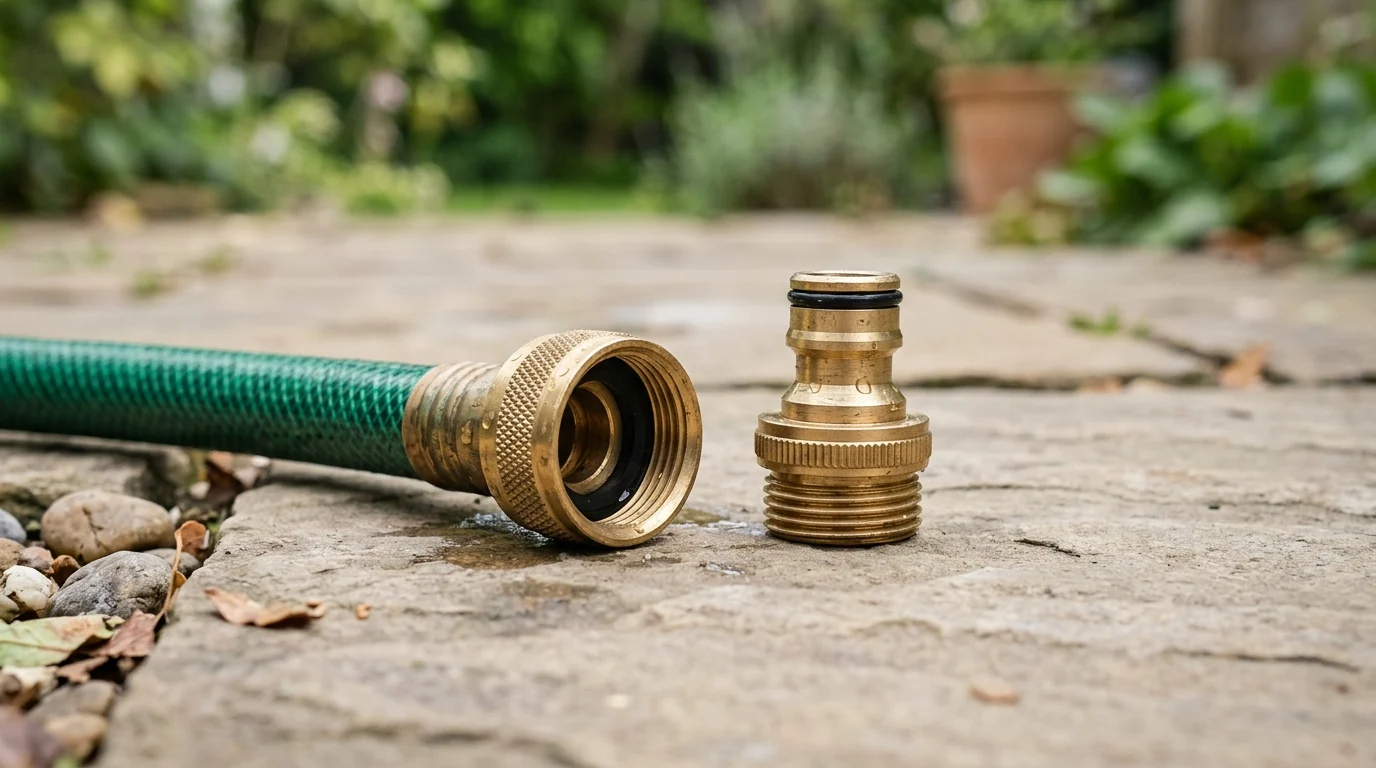
A small drip at a hose fitting can look harmless, but under typical municipal pressure of 40 to 80 PSI, even a tiny defect can waste thousands of gallons over time. In gardens, nurseries, and commercial irrigation zones, leaky connectors also create muddy work areas, uneven watering, and premature fitting failure. This guide explains the most common failure points—spigots, splitters, Quick Connectors, washers, threads, materials, and pressure limits—and shows how to diagnose them with an industrial maintenance mindset. By understanding howGarden Hose Thread fittings actually seal, when to replace gaskets, and how to prevent freeze or pressure damage, you can build a cleaner, safer, and more reliable watering system.
Why Garden Hose Connectors Leak
Garden Hose Connectors are critical components in any irrigation system, serving as the essential bridge between the water supply and your delivery tools. While seemingly simple, these fittings must endure significant mechanical stress, environmental exposure, and fluctuating static and dynamic pressures. Because a standard municipal water supply typically operates between 40 and 80 PSI, even a microscopic 1/32-inch flaw in a connection can result in substantial water loss over time—wasting up to 6,000 gallons per month at 60 PSI. In large gardens or commercial installations, a continuous leak not only wastes significant volumes of water but also creates slipping hazards and degrades soil integrity. Understanding the mechanics of these connections is the first step in diagnosing failures and preventing costly, frustrating leaks across all watering systems.
Leaks at Faucets, Splitters, and Quick Connectors
The most frequent leakage points in an irrigation setup occur at primary junctions: the main outdoor faucet (spigot), multi-way splitters, and quick-release mechanisms. Faucet leaks often stem from improper seating of the female connector, where a lack of compression allows water to bypass the internal seal. Splitters, which handle the distribution of water to multiple zones, can develop leaks around their internal ball valves if the seals degrade or if hard water calcification prevents the valve from closing entirely. Quick connectors rely on an internal O-ring (typically 14mm to 16mm inner diameter) and a spring-loaded locking collar. Over time, dirt ingress, mineral buildup, or spring fatigue (often occurring after 1,000 to 2,000 connection cycles) can compromise this mechanism, leading to a steady drip or sudden disconnection. Additionally, always check hose-end ferrules and crimps, as these metal collars can loosen and cause hidden leaks just below the connector.
Gasket, Thread, Material, and Pressure Issues
The root causes of connector failure generally fall into four categories. Gasket degradation is a primary culprit; standard rubber washers harden, shrink, and crack under UV exposure and seasonal temperature fluctuations. In contrast, premium EPDM (ethylene propylene diene monomer) gaskets maintain elasticity much longer, withstanding temperature extremes from -40°F to 250°F, though all hose washers should ideally be inspected and replaced seasonally rather than patched with tape. Thread mismatch is another pervasive issue, particularly the confusion between standard 3/4-inch National Pipe Thread (NPT, which is tapered) and 3/4-inch Garden Hose Thread (GHT, which features 11.5 threads per inch and a 1.0625-inch outer diameter). Because GHT relies on parallel threads rather than tapered ones, it strictly requires a gasket to seal properly; using Teflon tape on GHT fittings is largely ineffective. Furthermore, most standard GHT connectors are only rated for 60 to 90 PSI and are not designed for regulated high-pressure systems exceeding 120 PSI. Material fatigue in plastic connectors can lead to hairline fractures, especially if they are over-tightened past hand-tight limits (typically 15-20 in-lbs of torque), easily cracking the housing. Finally, failing to winterize and drain connectors before freezing temperatures arrive will cause trapped water to expand, destroying even the most durable metal fittings.
How to Repair or Upgrade Hose Connectors
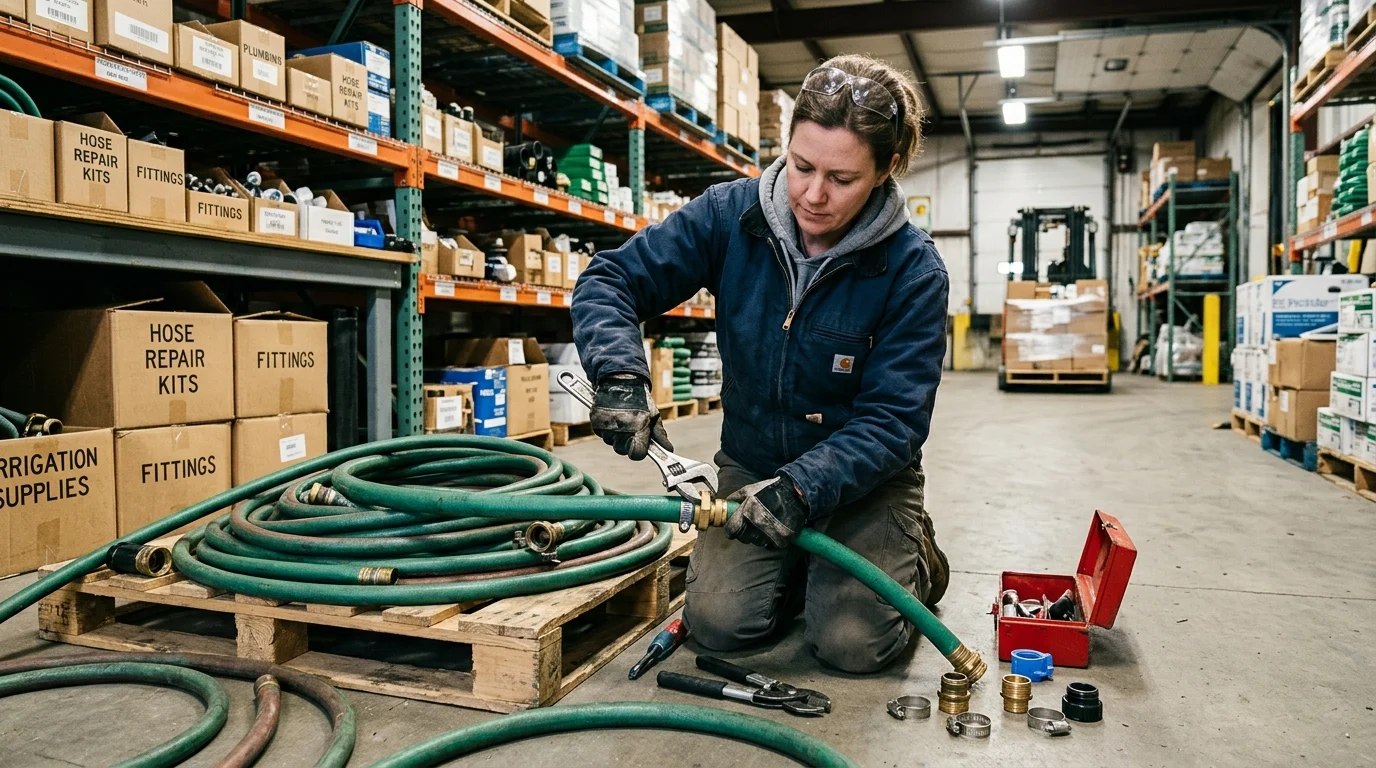
When an irrigation system begins to lose water, immediate remediation is necessary to maintain line pressure and prevent localized flooding. Fortunately, repairing or upgrading garden hose connectors is a straightforward process that significantly extends the lifecycle of existing watering equipment. Using modular replacement components allows users to execute targeted fixes without the financial burden of replacing entire lengths of premium hose.
Using Hose Menders and Replacement Fittings
A damaged hose end or mid-line puncture does not mean you must discard the entire hose. Hose menders offer a highly cost-effective and environmentally friendly solution. To ensure the clamp seals properly, the mender must match both the inner diameter (commonly 1/2-inch, 5/8-inch, or 3/4-inch) and the hose wall thickness—a detail that is especially critical for porous soaker or drip lines.
Tools Needed: Utility knife, replacement mender fitting, and a screwdriver (for clamps).
Step-by-Step Repair:
- Measure and Cut: Identify the hose's inner diameter. Cut the hose squarely at the damaged section using a sharp utility knife.
- Insert Barb: Push the barbed fitting fully into the cut hose end.
- Clamp: Position the external clamp or clincher mechanism over the seated barb and tighten securely.
- Pressure Test: Turn on the water supply to verify a watertight seal.
Premium menders machined from solid brass or aircraft-grade aluminum feature manufacturer-rated high crush resistance (often exceeding 200 to 400 lbs of force), creating a durable joint capable of withstanding continuous municipal water pressures without separating.
Choosing Flow-Through and Auto Water Stop Connectors
Upgrading the terminal end of a hose setup involves selecting between standard flow-through and auto water stop connectors. Flow-through fittings provide an unobstructed internal pathway, delivering maximum gallons per minute (typically 10 to 14 GPM at 60 PSI on a 5/8-inch hose) for high-volume tasks like running large oscillating sprinklers or filling tanks. Conversely, auto water stop connectors feature an internal spring-loaded valve that automatically halts water flow when an accessory, such as a spray nozzle or wand, is detached. This design eliminates the need to walk back to the spigot to shut off the water during tool changes, saving significant time and preventing water waste. While highly efficient for multi-tool setups, water stop valves introduce a flow restriction of approximately 15% to 25% (reducing output to 8-10 GPM). However, they operate reliably on typical residential water pressure, ensuring the internal valve fully depresses and opens when an accessory is engaged.
How to Choose Hose Connectors and Splitters
Selecting the right irrigation hardware requires balancing performance requirements with material durability, seasonal temperature resilience, and unit cost. Whether outfitting a residential landscape or selecting components for large properties, choosing the appropriate splitters and connectors ensures a leak-proof, low-maintenance watering system that can survive harsh environmental conditions.
2-Way vs 4-Way Splitters with Independent Valves
Manifold splitters are essential for dividing a single water source into multiple independent irrigation zones.
Key Takeaways
- Replace worn hose washers seasonally because GHT fittings rely on gasket compression rather than thread sealing.
- Avoid over-tightening plastic connectors beyond hand-tight pressure, as excessive torque can create hairline cracks and leaks.
- Check faucets, splitters, quick connectors, ferrules, and crimps first because these are the most common leakage points in irrigation setups.
- Use EPDM washers when possible because they maintain elasticity across a wide temperature range from -40°F to 250°F.
- Confirm that your fittings match the system pressure, since many standard garden hose connectors are rated only for about 60 to 90 PSI.
- Drain and disconnect hose connectors before freezing weather to prevent trapped water from expanding and damaging fittings.
Frequently Asked Questions
Why does my garden hose connector leak even when it is tightened?
Most leaks come from a worn or missing washer, not loose threads. Garden Hose Thread fittings seal by compressing a gasket, so over-tightening can crack plastic connectors without stopping the leak.
Should I use Teflon tape on garden hose connectors?
Usually no. Standard GHT fittings use parallel threads and need a washer to seal. Teflon tape is more useful on tapered pipe threads like NPT, not typical hose connections.
How often should hose washers be replaced?
Inspect washers at least once per season and replace any that are hardened, cracked, flattened, or missing. EPDM washers last longer than standard rubber and handle temperature extremes better.
What pressure is safe for standard garden hose connectors?
Many standard GHT connectors are rated around 60 to 90 PSI. If your system exceeds 120 PSI, use pressure regulation and fittings designed for higher-pressure irrigation service.
Why do quick-connect hose fittings start dripping?
Quick connectors often leak when the internal O-ring wears out, mineral deposits build up, dirt enters the collar, or the spring mechanism fatigues after repeated connection cycles.