


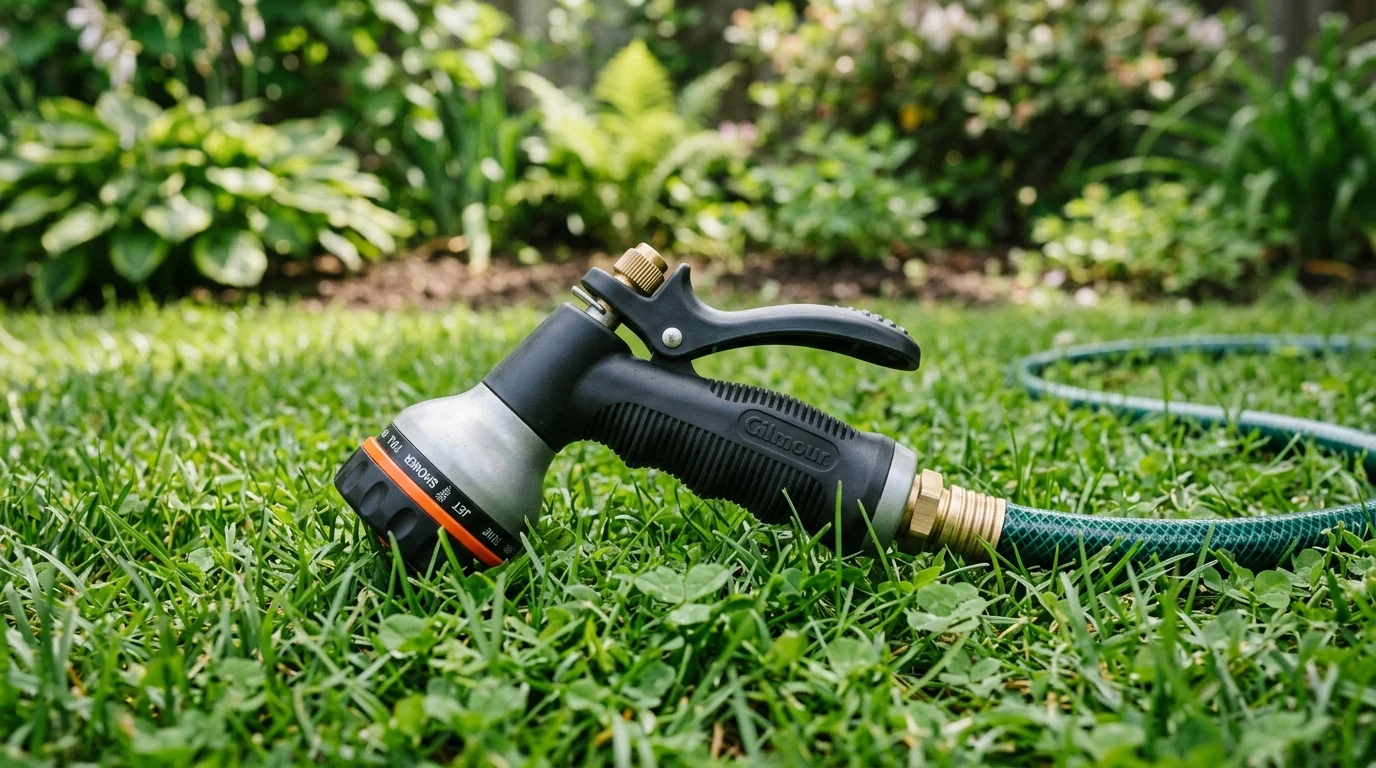
Watering tools are no longer simple seasonal add-ons; they are becoming regulated, performance-driven products shaped by drought policy, rising utility costs, and consumer demand for longer service life. For sourcing managers planning 2026 and 2027 assortments, the challenge is to balance water efficiency, durability, ergonomics, and landed cost without weakening retail margins. This article examines the product trends most likely to affect procurement decisions, from smart timers and precision irrigation to UV-resistant polymers, higher burst-pressure requirements, and realistic MOQ planning. The goal is practical: help buyers identify which specifications matter, where costs are shifting, and how to build a more resilient watering tool portfolio.
Why Sourcing Managers Should Reassess Lawn and Garden Watering Tools
As environmental regulations tighten and consumer expectations shift toward longevity, the global market for any lawn & garden watering tool is undergoing rapid transformation ahead of the 2026/2027 retail seasons. Sourcing managers must look beyond legacy catalog items and pivot toward portfolios that balance water conservation, advanced ergonomics, and robust material specifications. Understanding these macroeconomic and environmental shifts is essential for building a resilient, competitive product lineup.
Market Drivers and Buyer Priorities
Shifting climate patterns and strict municipal water regulations are the primary catalysts reshaping buyer priorities. With various regional authorities mandating 20% to 30% reductions in residential water usage, end-users are abandoning inefficient sprayers in favor of highly calibrated irrigation systems. Additionally, inflation driving up municipal utility costs means consumers are calculating the return on investment (ROI) for their garden equipment more rigorously than ever before.
Consequently, retail buyers are demanding product lines that feature certified flow-restriction capabilities and demonstrable water-saving metrics. Sourcing managers must prioritize suppliers capable of delivering precision-engineered nozzles and timers that meet these new regulatory thresholds without compromising spray performance or user satisfaction.
Core Product Types and Use Cases
The modern watering tool portfolio is segmented into specialized use cases, ranging from heavy-duty metal Hose Nozzles for high-pressure cleaning to micro-drip irrigation kits for delicate greenhouse flora. Standardizing procurement for these core types requires a clear understanding of baseline specifications and production economics.
| Product Category | Primary Material | Avg. Target Burst Pressure | Typical MOQ (Units) | Est. FOB Cost Band (USD) |
|---|---|---|---|---|
| Adjustable Hose Nozzles | Zinc Alloy / TPR | 150 - 200 PSI | 2,000 - 3,000 | $2.50 - $4.80 |
| Oscillating Sprinklers | ABS / Aluminum | 60 - 80 PSI | 1,500 - 2,000 | $4.00 - $8.50 |
| Smart Water Timers | UV-Resistant PC | 100 - 120 PSI | 1,000 - 1,500 | $12.00 - $25.00 |
| Micro-Drip Kits | PE / PVC | 25 - 50 PSI | 1,000 - 2,500 | $6.00 - $15.00 |
Sourcing managers must align their purchasing strategies with these categories, recognizing that high-pressure applications demand metallic cores, whereas broad-coverage tools rely on lightweight, UV-stabilized polymers. Multi-pattern rotary heads are also standardizing around 8 to 10 distinct spray settings, requiring precision-molded internal baffles to prevent water pattern crossover.
Top Lawn and Garden Watering Tool Trends
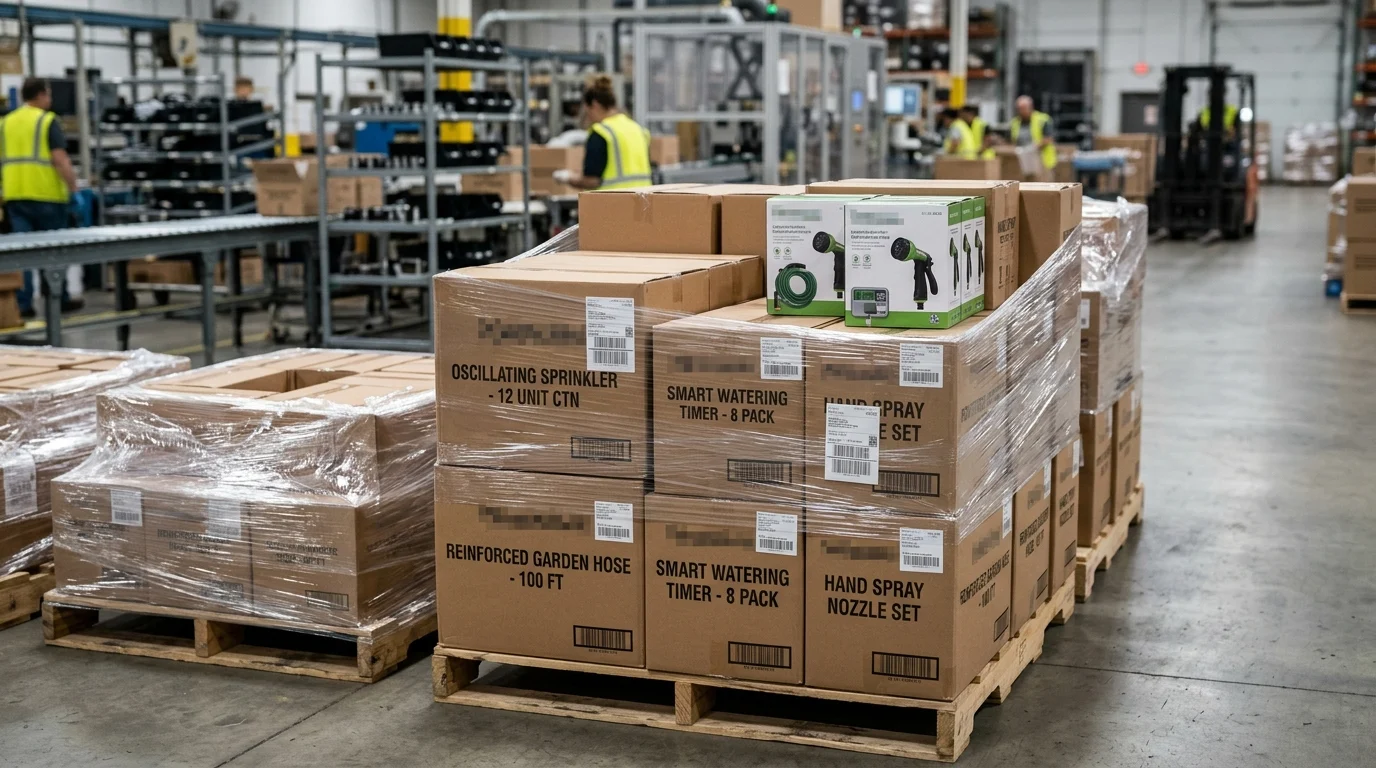
The next generation of irrigation equipment is defined by the intersection of digital integration and advanced material science. For 2026 and 2027, successful product lines will integrate smart technology with highly durable, user-centric physical designs, moving decisively away from commoditized, single-season items.
Smart Water Control and Precision Irrigation
Precision irrigation is rapidly transitioning from commercial agriculture to residential gardens. Smart water control valves equipped with Wi-Fi and Bluetooth connectivity allow users to automate watering schedules based on real-time local weather data and soil moisture sensors. Modern smart timers are expected to operate on standard alkaline batteries for 12 to 18 months, utilizing low-energy BLE (Bluetooth Low Energy) protocols to minimize maintenance.
Furthermore, drip emitters are being engineered for exact volumetric output, typically ranging from 0.5 to 2.0 gallons per hour (GPH). This precision ensures zero surface runoff and guarantees compliance with strict drought-management guidelines. Sourcing managers should look for IoT-enabled systems that offer open API integrations or compatibility with major smart home ecosystems to maximize market appeal.
Ergonomic, Durable, and Sustainable Designs
Beyond digital features, the physical construction of any premium lawn & garden watering tool is evolving. There is a decisive move away from brittle plastics toward aerospace-grade aluminum cores wrapped in thermoplastic rubber (TPR) overmolding. This ergonomic upgrade reduces hand fatigue during extended use while drastically improving drop resistance. The push for ergonomic certification has led to thumb-control valves replacing traditional rear-trigger mechanisms, reducing the required actuation force from 5 lbs to less than 1.5 lbs.
Sustainability is also a critical manufacturing trend, with top-tier factories incorporating 30% to 50% post-consumer recycled (PCR) ocean plastics into non-pressurized components. Additionally, internal seals and O-rings are transitioning to high-grade EPDM rubber, pushing burst pressure limits up to 350 PSI and eliminating the micro-leaks that plague lower-tier alternatives. While aluminum offers significant weight reduction, heavy-duty commercial users still prefer solid brass connectors, which can sustain crush ratings exceeding 1,000 lbs.
How to Compare Suppliers and Make Sourcing Decisions
Identifying a factory capable of producing a high-quality lawn & garden watering tool requires rigorous vetting. The gap between a consumer-grade manufacturer and an industrial-grade partner is defined by quality control infrastructure, tooling precision, and lifecycle support. Evaluating these elements effectively minimizes the total cost of ownership.
Key Supplier Evaluation Criteria
When evaluating potential manufacturing partners, sourcing professionals must examine quantitative quality assurance metrics. A reliable supplier should maintain an ISO 9001-certified facility with an internal defect rate strictly below 0.5%. Production capacity is equally vital; factories must demonstrate the ability to scale output to 500,000 units per month during peak pre-season ordering windows, which typically run from October through January. Lead times also play a crucial role; top suppliers currently average 45 to 60 days from purchase order to port delivery, requiring tight coordination for spring retail resets.
Furthermore, in-house testing capabilities are non-negotiable. Leading suppliers will provide documentation for 72-hour salt spray tests on metal components to guarantee rust resistance, as well as accelerated UV exposure testing (typically 500+ hours) to ensure plastics will not degrade or bleach under direct sunlight. Social compliance audits, such as BSCI or SMETA, are also becoming mandatory prerequisites for placement in major North American and European big-box retailers.
Practical Steps for Final Selection
The final selection phase involves comprehensive sample validation and tooling audits. Sourcing managers should request detailed injection molding lifecycle data, ensuring that molds are rated for at least 500,000 shots before requiring refurbishment.
Key Takeaways
- Prioritize watering tools with certified flow-restriction and measurable water-saving performance as municipalities push 20% to 30% residential usage reductions.
- Match materials to use case by specifying metal cores for high-pressure nozzles and UV-stabilized polymers for lightweight sprinklers, timers, and irrigation systems.
- Use target burst pressure as a sourcing filter, with adjustable nozzles typically requiring 150 to 200 PSI and micro-drip kits only 25 to 50 PSI.
- Plan purchasing around realistic MOQs, which often range from 1,000 to 3,000 units depending on product category and technical complexity.
- Expect higher FOB costs for smart water timers, typically $12.00 to $25.00, because electronics, housings, and control reliability add specification requirements.
- Select suppliers capable of precision molding and consistent internal flow control to support 8 to 10 spray settings without pattern crossover.
Frequently Asked Questions
1. Why should sourcing managers reassess watering tool portfolios for 2026/2027?
Water restrictions, higher utility costs, and demand for durable products are shifting buyers away from basic seasonal tools toward water-saving, higher-spec nozzles, timers, sprinklers, and drip systems.
2. Which watering tool categories should be prioritized?
Core categories include adjustable hose nozzles, oscillating sprinklers, smart water timers, and micro-drip kits, each serving different pressure, coverage, and conservation needs.
3. What water-saving features are becoming important?
Buyers increasingly expect certified flow restriction, calibrated spray patterns, precision timers, and drip irrigation options that support 20% to 30% residential water-use reduction targets.
4. What materials are best for higher-durability watering tools?
Zinc alloy, aluminum, UV-resistant polycarbonate, TPR grips, PE, and PVC are common choices, with metal cores favored for high-pressure use and UV-stabilized polymers favored for lightweight irrigation products.
5. What pressure specifications should buyers check?
Adjustable nozzles commonly target 150 to 200 PSI burst pressure, oscillating sprinklers 60 to 80 PSI, smart timers 100 to 120 PSI, and micro-drip kits 25 to 50 PSI.